Why Wine Harvests Are Getting Earlier: California and the World in 2026

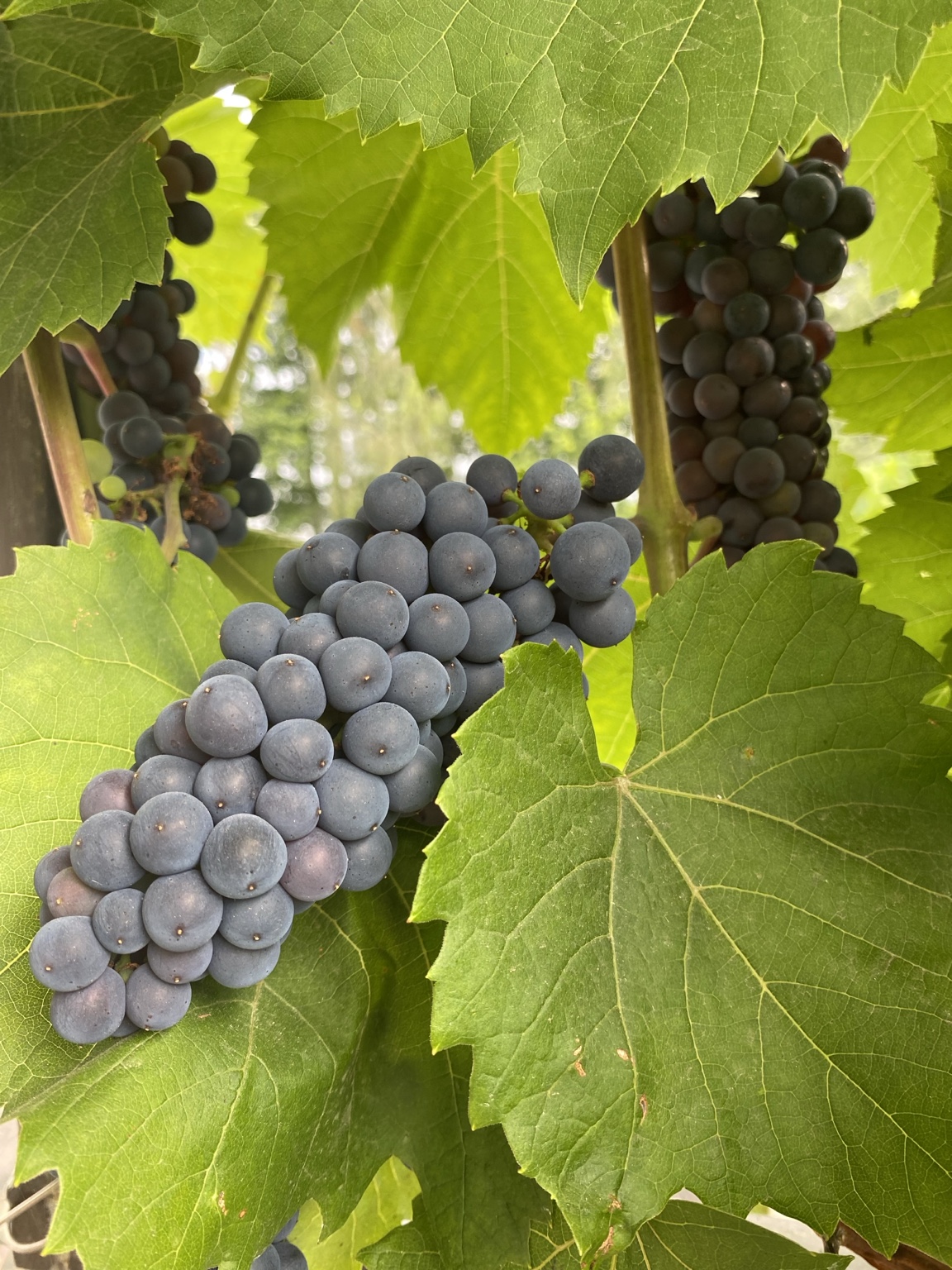
Viniside Wine News • Harvest 2026 • California and the world
From California to Champagne, growers are picking grapes ahead of familiar schedules. Warmth is advancing the vine’s calendar, but the effects on crop size and wine quality depend on what happens in each vineyard.
The calendar is changing
Harvest is not a date growers choose in advance. It is a decision based on the grapes: their sugar, acidity, flavor, health and the style of wine the producer wants to make. Weather can make that decision arrive sooner—or make waiting too risky.
In 2026, growers across California and parts of Europe reported picking earlier than usual. In California, an unusually warm March got the season moving early. Rain and strong winds during flowering then disrupted fruit set in some places, contributing to smaller crops. Wine Institute’s preliminary report describes harvest activity several weeks ahead of schedule in parts of the state, alongside early reports of concentrated flavors and freshness. Those are promising first impressions, not a final verdict on the wines. Source: Wine Institute, California 2026 Vintage Preview.
Monterey County offered a local example. Some vineyards were ready three to four weeks ahead of normal, according to Salinas Valley Now. Growers also stressed that the shift varied by area and variety; Carmel Valley was described as less affected than some other areas. Source: Salinas Valley Now, October 26, 2026.
Sonoma County likewise reported one of its earliest harvests in years, after difficult flowering weather contributed to a lighter crop. That pairing matters: the season’s warmth helped move harvest forward, while conditions around flowering affected how much fruit set. An early harvest and a small crop can occur together, but they are not the same thing. Source: Sonoma County Winegrowers, October 19, 2026.
Fun fact: Champagne’s 2026 report says the first vineyards began picking August 6. Widespread harvesting began August 17, about two weeks earlier than in 2025—and the region’s earliest start on record.
Illustration: warmth can advance vine development, while flowering weather, heat and water influence crop and picking decisions.
This is a global pattern, with local causes
In Spain, CEIGRAM, an agricultural research center at the Technical University of Madrid, reported that harvest had begun up to 20 days early in some regions. Its explanation was a sequence of conditions: a mild, rainy winter, warm spring weather and heatwaves in June and July. The researchers describe earlier harvest as a longer-term structural trend in Spanish vineyards.
French government data give that long-term shift perspective. Across a panel of French wine regions, harvest dates now average 24 days earlier than in the 1970s. In Champagne, the average harvest is about two weeks earlier than it was 20 years ago. At Saint-Émilion, the typical start moved from around September 26 for much of the 20th century to around September 15 in the 2010s. These are different datasets and comparison periods, but they all show the calendar moving forward over time.
Chart note: each bar uses its own regional record and baseline. The values are not directly comparable.
In Italy, growers also reported early picking, in some locations as much as 20 days ahead. Heat and drought accelerated ripening and raised concern about higher sugar and lower acidity in some fruit. Other areas had more favorable water reserves and reported different conditions. An early calendar was shared across many areas; the vineyard experience was not.
Two hemispheres, two harvest seasons
“Early harvest” needs a calendar check. Northern Hemisphere wine regions generally harvest from summer into autumn. Southern Hemisphere regions pick in the first months of the year.
New Zealand’s 2026 vintage began in January. New Zealand Winegrowers reported Northland started January 23, with other regions following; Central Otago was tracking slightly later. The organization said harvest dates had moved forward by several weeks in recent years, while noting that timing varied across the country.
Not every Southern Hemisphere report tells an early-harvest story. Wine Australia’s 2026 report estimated a 1.27-million-tonne crush, the smallest in more than 25 years. That is a measure of volume, not proof that all Australian regions harvested early. South Africa, by contrast, reported a larger-than-expected crop and encouraging early quality indicators.
Fun fact: “harvest timing” tells us when grapes were picked. “Crush” tells us how many grapes were processed. Neither one, by itself, tells us whether the wine will be good.
What makes grapes ripen sooner?
Warmth advances vine development. A warm winter or spring can bring budbreak forward. If flowering and ripening also progress early, growers may reach their preferred picking point sooner. Summer heat can speed sugar accumulation and affect acidity, making earlier picking a way to protect balance.
Water changes the picture. Winter rain can replenish soil moisture before summer. Drought can stress vines and reduce berry size or yield; severe stress can also slow or disrupt ripening. The effect depends on when water is scarce, the soil, vine age, variety and vineyard practices. “Hot and dry” does not affect every vineyard in the same way.
Frost and flowering weather affect crop size. Spring frost or poor conditions during flowering can reduce fruit set. They help explain a smaller crop, but do not by themselves explain why harvest is early.
The target depends on the wine. A sparkling-wine base, a fresh white and a structured red may be picked at different points. Growers weigh sugar, acidity, flavor development, fruit condition and intended style.
What an early harvest can mean for the wine
Earlier picking can help preserve acidity or avoid fruit drying out on the vine. But picking early is not automatically a shortcut to freshness, just as waiting longer does not automatically produce a richer wine. The outcome depends on the grapes, the site, the season and choices made in the vineyard and cellar.
Heat may push sugar higher and acidity lower. Water stress may reduce berry size and juice volume. Smaller berries can contribute to concentration, but concentration is not the same as balance or quality. Even regional reports that sound optimistic are early assessments: fermentation and aging still lie ahead.
The practical effects begin before the wine is made. When several varieties ripen close together, wineries must coordinate crews, presses, tanks, trucks and cellar work in a narrower window. Some producers shift work to cooler nighttime or early-morning hours.
Crop size also has economic consequences, but not simple ones. A small harvest may reduce surplus over time, yet leave growers with less fruit to sell. Prices and winery finances also depend on demand, contracts and unsold inventory. An early pick alone cannot predict how the market will respond.
The takeaway
The 2026 reports show a broad movement toward earlier picking in several wine regions, set against very local conditions. Warmth is advancing the vine’s calendar; rain, drought, frost and flowering weather affect how much fruit develops and when growers decide it is ready.
Long-term records make the climate connection clearer than any one vintage can. But early harvest does not mean every region had the same season, every crop was small, or every wine will taste alike. For now, growers are adapting to a faster and less predictable calendar—and the wines will take time to tell the rest of the story.
Sources and further reading
Wine Institute, “California 2026 Vintage Preview”: https://wineinstitute.org/press-releases/california-2026-vintage-preview-an-early-harvest-shows-promise-across-the-state/
Salinas Valley Now, “Last winter’s heat wave brings an early wine harvest to Monterey County,” Oct. 26, 2026: https://www.salinasvalleynow.com/2026/10/last-winter-s-heat-wave-brings-an-early-wine-harvest-to-monterey-county/8c710b81/
Sonoma County Winegrowers, “Sonoma County’s Historically Early Harvest,” Oct. 19, 2026: https://www.wineindustrynetwork.com/c/post?fid=y6re1tw_MlUMezFa
Comité Champagne, “Champagne 2026: an exceptional harvest,” Sept. 9, 2026: https://www.champagne.fr/en/find-out-more/mediaroom/champagne-press/champagne-2026-exceptional-harvest-potential-outstanding
CEIGRAM, “Climate change is beginning to have a structural impact on the timing of the grape harvest in Spain,” Sept. 3, 2026: https://ceigram.upm.es/en/climate-change-is-beginning-to-have-a-structural-impact-on-the-timing-of-the-grape-harvest-in-spain/
French Ministry for Ecological Transition, harvest date indicators: https://www.ecologie.gouv.fr/politiques-publiques/impacts-du-changement-climatique-agriculture-foret
New Zealand Winegrowers, “New Zealand wine welcomes early harvest with optimism for 2026 Vintage”: https://www.nzwine.com/en/media/media-releases/vintage-2026/
Wine Australia, National Vintage Report: https://www.wineaustralia.com/market-insights/national-vintage-report
Tags: Wine Harvest, 2026 Vintage, California Wine, Monterey County, Climate and Viticulture, Champagne, Spain Wine, New Zealand Wine, Vineyard Management.
Favorites are saved in this browser on this device.